
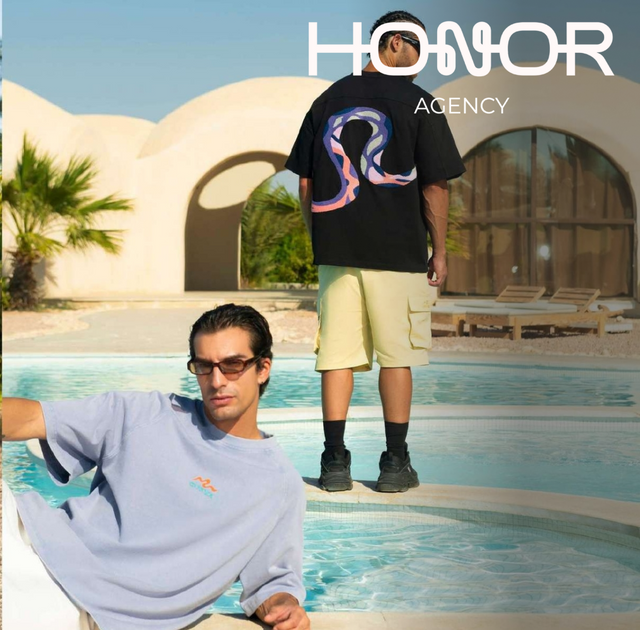
Streetwear Clothing Marketing Strategies to Build a Brand Community
Streetwear marketing is not only about promoting products; it is about creating a recognizable culture that people want to follow and participate in. Strong streetwear brands connect product design, content, community, and release strategy around a clear point of view.
At Honor, the journey from product development to brand presentation can include visual Identity, content solutions, AI Photography, and launch preparation, helping fashion brands build a more consistent presence around their collections.
Why Is Streetwear Marketing Different from Traditional Fashion Marketing?
Streetwear is closely connected to identity, community, visual culture, and limited product releases. This means brands often need to create interest before asking customers to purchase.
Effective Fashion marketing for streetwear can focus on:
-
A recognizable brand story.
-
Consistent visual direction.
-
Community participation.
-
Strong product imagery.
-
Relevant social content.
-
Strategic product drops.
-
Collaborations.
-
Customer-generated content.
The goal is to make individual products feel connected to a larger brand world.
Build Your Brand Identity Before Promoting Products
A clear Identity provides the foundation for your marketing decisions. Without it, social posts, campaigns, packaging, and product photography can easily feel disconnected.
Define elements such as:
-
Brand positioning.
-
Target audience.
-
Visual direction.
-
Logo usage.
-
Typography.
-
Color system.
-
Photography direction.
-
Tone of communication.
-
Packaging style.
Your identity should provide enough consistency for customers to recognize the brand while leaving room for individual campaigns and collections.
Before increasing promotion, make sure you know exactly how the brand should look, sound, and feel.
Understand the Community You Want to Build
A streetwear community should not be defined only by age or location. Brands should understand the interests, aesthetics, behaviors, and cultural references that connect their target customers.
Ask:
-
What does the audience care about?
-
Which styles do they respond to?
-
Where do they discover new brands?
-
Which creators do they follow?
-
What content do they share?
-
Why would they follow your brand before buying?
-
What makes them return after a purchase?
These questions help shape content and campaigns around the audience rather than around the brand alone.
Community starts when people find a reason to participate.
Create a Story Around Your Streetwear Brand
Products give you something to sell, but storytelling gives customers context for why the collection exists.
Your story may come from:
-
The idea behind the brand.
-
Creative influences.
-
Collection themes.
-
Design development.
-
Fabric selection.
-
Behind-the-scenes production.
-
People involved in the project.
-
Local cultural references where relevant.
Avoid inventing a complicated story simply to make the brand appear deeper.
A simple, authentic concept communicated consistently can provide a stronger foundation for Streetwear marketing.
Use Content to Build Interest Before the Brand Launch
Do not wait until products are available to begin communicating with potential customers.
Before the Brand launch, content can introduce:
-
Brand concept.
-
Visual identity.
-
Design sketches.
-
Fabric details.
-
Sample development.
-
Product close-ups.
-
Packaging.
-
Campaign teasers.
-
Behind-the-scenes moments.
This gives the audience multiple opportunities to discover the brand before the collection becomes available.
Pre-launch content should gradually move from curiosity to clearer product information as the launch date approaches.
How to Plan a Streetwear Brand Launch
A successful Brand launch needs a timeline rather than one announcement on release day.
A simple launch sequence can include:
-
Introduce the brand concept.
-
Reveal parts of the visual direction.
-
Tease the first collection.
-
Show selected product details.
-
Publish campaign imagery.
-
Introduce key pieces.
-
Announce the launch date.
-
Communicate product and sizing information.
-
Launch the collection.
-
Continue with styling, customer, and product content.
The exact sequence depends on the collection and audience.
The important point is to build familiarity before asking customers to make a purchase.
Use AI Photography to Expand Your Visual Content
AI Photography can support the creation of additional visual concepts for campaigns and digital content when used appropriately within the brand's wider creative direction.
It may support:
-
Campaign concepts.
-
Editorial-style visuals.
-
Social media content.
-
Creative backgrounds.
-
Mood-driven imagery.
-
Visual experimentation.
However, product representation should remain clear. Customers need accurate information about the actual garment they are considering purchasing.
AI-generated visuals can therefore complement product photography and campaign assets rather than automatically replacing every type of product image.
The objective is to expand creative possibilities while maintaining a consistent visual direction.
Build a Social Media Content System
Posting randomly makes it difficult to build a recognizable brand presence. Instead, organize your content around several repeatable themes.
For example:
-
Product content.
-
Styling.
-
Brand story.
-
Behind the scenes.
-
Community content.
-
Campaign visuals.
-
Educational content.
-
Founder or team perspective where relevant.
Different formats can then be used across these themes, including short videos, carousels, still images, stories, and creator content.
A content system makes Marketing more consistent without requiring every post to look identical.
Use Product Drops to Create Focused Campaigns
Streetwear brands often organize releases around drops rather than presenting every product at the same time.
A drop strategy can give each collection a defined marketing period.
You can structure content around:
-
Initial teaser.
-
Collection concept.
-
Product reveal.
-
Detail shots.
-
Styling content.
-
Release date.
-
Launch-day content.
-
Post-launch customer content.
Limited quantities can be communicated when they are genuinely limited, but brands should avoid creating false scarcity.
A clear release structure gives the audience a specific moment to anticipate.
Work with Creators Who Fit the Brand
Influencer marketing can support discovery, but audience size alone does not determine whether a creator is appropriate.
Evaluate potential creators based on:
-
Content style.
-
Audience relevance.
-
Visual compatibility.
-
Engagement quality.
-
Previous partnerships.
-
Personal connection with fashion or streetwear.
-
Ability to style and communicate the product naturally.
Smaller creators can sometimes provide a strong fit when their audience closely matches the brand's intended community.
Creator selection should prioritize relevance and credibility over follower count alone.
Encourage User-Generated Content
Customers wearing your products can become an important source of social proof and community content.
Encourage customers to:
-
Tag the brand.
-
Share outfits.
-
Post styling videos.
-
Participate in relevant campaign concepts.
-
Use branded hashtags where appropriate.
-
Submit content for possible reposting.
When reposting customer content, make sure you have the appropriate permission to use it.
Featuring real customers can help move the brand's social presence beyond one-way promotional communication.
Turn Customers into Community Members
A community needs reasons to remain connected between product launches.
Brands can create continued engagement through:
-
Early product previews.
-
Community polls.
-
Styling discussions.
-
Behind-the-scenes content.
-
Feedback on future ideas.
-
Events or pop-ups where appropriate.
-
Email or private community updates.
-
Customer features.
Not every interaction needs to end with a sales message.
Consistent participation helps keep the brand relevant even when no new collection is being released.
Plan Digital Campaigns Around Clear Objectives
Digital campaigns should have a defined purpose. Running the same advertisement for every stage of the customer journey can make performance harder to understand.
Campaign objectives may include:
-
Brand awareness.
-
Collection discovery.
-
Website visits.
-
Product consideration.
-
Sales.
-
Retargeting previous visitors.
-
Re-engaging existing customers.
Creative assets should then match the objective.
An awareness campaign may introduce the visual world of the collection, while a conversion-focused campaign should communicate the product and purchasing proposition more directly.
Clear objectives make campaign performance easier to evaluate.
Combine Organic Content and Paid Marketing
Paid advertising can increase reach, but it works best when the brand already has strong creative assets and a clear destination for potential customers.
Organic content can help test:
-
Hooks.
-
Visual formats.
-
Product angles.
-
Styling concepts.
-
Messages.
-
Audience reactions.
Strong-performing ideas can then inform paid Marketing campaigns.
This creates a feedback loop between community response and advertising rather than treating paid and organic channels as completely separate activities.
Common Streetwear Marketing Mistakes
Several mistakes can weaken a brand even when the products themselves are strong.
Avoid:
-
Copying another streetwear brand's identity.
-
Posting only product images.
-
Launching without building awareness.
-
Changing visual direction constantly.
-
Using creators who do not match the audience.
-
Creating false scarcity.
-
Ignoring customer comments and feedback.
-
Depending only on paid advertising.
-
Publishing content without clear objectives.
-
Stopping communication immediately after launch.
Successful Streetwear marketing requires consistency before, during, and after each product release.
How to Measure Your Streetwear Marketing Strategy
Do not evaluate performance using follower count alone. Different metrics can reveal different parts of the customer journey.
Track indicators such as:
-
Reach.
-
Engagement.
-
Video views and retention.
-
Website traffic.
-
Email sign-ups.
-
Product-page visits.
-
Conversion rate.
-
Sales by campaign.
-
Repeat customers.
-
Customer-generated content.
Compare performance across campaigns and product launches to understand which content and channels contribute most effectively to your goals.
Use these insights to improve the next collection rather than repeating the same strategy automatically.
Build Your Streetwear Marketing Strategy with Honor
A strong streetwear brand needs consistency between its products and the way they are presented. Honor can support brands across visual Identity, content solutions, AI Photography, and Marketing preparation as part of the wider journey toward launch.
Build your strategy around a recognizable identity, consistent content, a planned Brand launch, and Digital campaigns that support clear objectives. The goal is not simply to generate attention for one collection, but to give customers reasons to stay connected with the brand over time.
FAQs About Streetwear Marketing
What is the best way to market a streetwear brand?
Start with a clear identity, create consistent content, build an audience before launch, and combine community activity with focused digital campaigns.
How do I build a community around my clothing brand?
Create regular two-way interaction through useful content, customer features, feedback, behind-the-scenes access, and participation beyond sales posts.
When should I start marketing before a brand launch?
Start before products become available so you have time to introduce the brand, collection concept, product details, and launch date.
Is influencer marketing effective for streetwear brands?
It can be effective when creators genuinely match the brand's audience, aesthetic, and products rather than being selected only for follower numbers.
How can AI Photography support fashion marketing?
It can support creative campaign concepts and additional digital visuals while working alongside accurate product imagery and a consistent brand direction.


